

Children’s Contact Centres play a crucial role in helping families manage contact arrangements during separation or conflict. They provide a safe, neutral environment where children can spend time with parents or other relatives, often when direct arrangements are not possible or advisable. Whether visits are set up voluntarily or ordered by a court, these centres ensure that children remain protected while maintaining valuable relationships.
What Are Children’s Contact Centres?
Children’s Contact Centres are specialised facilities that provide safe and structured environments for children to meet or spend time with a parent or relative they do not live with. These centres are often used in high-conflict separations, when there are safety concerns, or when a court requires supervised contact. Their central aim is to protect the wellbeing of children while supporting family connections.
There are two primary forms of contact: supported and supervised. In supported contact, staff are present in the building but do not monitor every interaction closely. This is typically used when risks are low, but a neutral venue is still helpful. Supervised contact, by contrast, involves staff actively observing interactions, ensuring safety, and sometimes recording notes and writing reports that may be shared with the court.
Many centres also provide supervised changeovers, which allow children to move between parents without conflict or direct parental contact. Operated by community organisations, non-profits, or private providers, centres vary in cost, availability, and rules.
Ultimately, Children’s Contact Centres exist to safeguard children’s interests while giving families a structured, supportive space to maintain important relationships.
Why Families Use Contact Centres
Families turn to Children’s Contact Centres for many reasons, but the unifying factor is the need for a safe and child-focused environment. In some cases, separation creates tension or hostility between parents, making direct handovers difficult or unsafe. For others, issues such as domestic violence, substance misuse, or poor communication mean supervised or supported contact is essential.
Courts often order the use of contact centres when there are concerns about a child’s welfare. This ensures that the child can still have contact with both parents, while risks are minimised. In other circumstances, parents may agree voluntarily to use a contact centre, seeing it as a helpful step toward rebuilding trust and routine.
Contact centres are also used to reintroduce children to parents after long periods of absence. For example, if a parent has been overseas, unwell, or incarcerated, a supervised setting can help re-establish bonds in a safe and supported way.
By providing a neutral venue, these services protect children from being caught in the middle of parental conflict. They also give parents reassurance that visits will be managed fairly and consistently.
The overarching purpose is always the same: to prioritise the child’s wellbeing.
How Do Children’s Contact Centres Work?
When families begin using Children’s Contact Centres, the process usually starts with an intake assessment. This helps staff understand the family’s circumstances, any risks, and what type of service i.e. supported or supervised contact is appropriate. Once accepted, families can schedule visits according to availability and court or parenting orders.
A typical visit might begin with one parent dropping off the child at the centre. If it’s a supervised session, staff will then remain present throughout the visit, observing interactions and ensuring the environment stays positive and safe. Sessions may last one to three hours, depending on the centre’s policies and the family’s needs.
Rules are in place to keep visits child-focused. These can include restrictions on mobile phone use, taking photos, or discussing adult issues during the visit. Staff are trained to intervene if necessary and to manage challenging behaviours.
By offering structure, neutrality, and professional oversight, contact centres create space for meaningful parent-child interaction while keeping children’s well-being at the forefront.

Types of Contact
Children’s Contact Centres generally provide three key types of service: supported contact, supervised contact, and supervised changeovers.
- Supported Contact: Families use the centre as a safe venue, with staff present but not actively monitoring each interaction. It’s suitable where there is low risk but ongoing tension.
- Supervised Contact: Staff remain in the room, observing the visit and sometimes keeping notes. This level of oversight is important when safety or welfare concerns exist. Reports from supervised sessions may be provided to the court if required.
- Supervised Changeovers: Designed to manage handovers between parents in a neutral space. Parents arrive and leave at different times to avoid conflict, while children transition safely.
These types of services allow families to gradually progress toward more independent arrangements. For instance, families may begin with supervised visits and move to supported contact as trust grows, eventually transitioning to self-managed contact outside the centre.
- Legal Considerations
Children’s Contact Centres often play a key role in family law cases. Courts may order supervised contact when there are concerns about a parent’s ability to care safely for their child. Parenting orders, consent orders, or interim arrangements may specify that contact take place at a recognised centre.
Supervised sessions sometimes generate written observations or reports. While these are not always admissible in court, they can provide valuable insights into a child’s interactions with a parent. Lawyers and judges may refer to these reports when considering the best long-term arrangements.
- Costs, Availability & Alternatives
Costs for Children’s Contact Centres vary depending on location, funding, and the level of supervision required. Some government-funded centres offer low-cost or free services, but waiting lists can be long. Private centres generally charge fees, which may range from hourly rates for supervised visits to set costs for intake assessments and changeovers.
Alternatives exist for families who cannot access a centre promptly. These include in-home supervised visits, where a qualified supervisor attends the family’s residence, or mobile/community services, where supervision occurs in public spaces like parks. In some cases, trusted family members or professionals may be approved as supervisors.
Centres also often aim to be a transitional step, helping families move from supervised or supported visits toward unsupervised arrangements.
Tips for Parents Using Contact Centres
Using Children’s Contact Centres effectively requires preparation and cooperation. Parents can make the experience smoother by:
- Preparing children in advance by explaining what will happen in a calm, age-appropriate way.
- Arriving on time and respecting centre rules, which helps build trust.
- Avoiding conflict or negative talk about the other parent in front of the child.
- Bringing familiar toys, books, or games to make the visit enjoyable.
- Respecting staff neutrality and following their guidance.
- Focusing on the child’s needs and making visits positive and reassuring.
Parents who embrace the process often find that their children adjust more easily. Over time, this can help rebuild trust and confidence, leading to more independent arrangements outside the centre.
Frequently Asked Questions about Childrens Contact Centres
How much does a supervised visit cost?
The cost of a supervised visit depends on the provider. Government-funded Children’s Contact Centres may offer low-cost or subsidised services, though waitlists can be long. Private centres usually charge hourly fees plus intake assessment costs. Prices typically range from affordable community rates to higher fees for professional supervision.
Where are some supervised contact centres near me?
Supervised contact centres operate in most metropolitan and regional areas. In Australia, you can search the Children’s Contact Service Directory through Relationships Australia, or ask your lawyer for referrals.
Who can use a Children’s Contact Service?
Children’s Contact Services can be used by separated parents, grandparents, or extended family members who need a safe and structured space for visits. Families may attend voluntarily, or they may be referred by family lawyers or ordered by the court to ensure safe contact arrangements.
How is confidentiality handled?
Confidentiality is a core principle at Children’s Contact Centres. Staff do not share personal information without consent, except when legally required, such as in cases involving child safety concerns. Session notes are generally kept private, unless disclosure is directed by a court.
What should I tell my child about going to a supervised contact centre?
Keep your explanation simple and reassuring. Tell your child that a Children’s Contact Centre is a safe place where they can spend time with their other parent or family member. Emphasise that staff are there to help everyone feel comfortable, and focus on making the experience positive for your child.
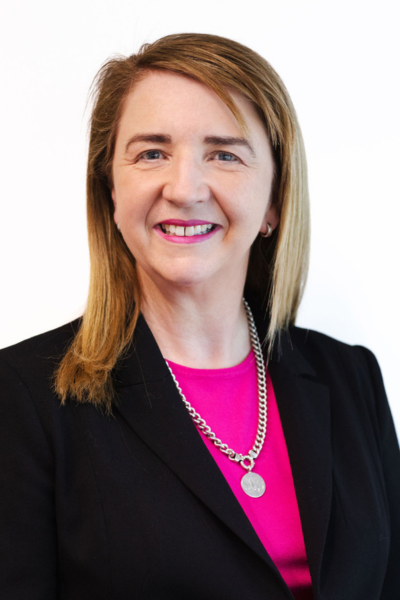
Maggie Orman
Principal
Maggie is the founder and principal of Orman Solicitors. With over 25 years of experience, Maggie specialises in all areas of Family Law, Criminal Law, Estate Planning and Farm Succession Planning.
Disclaimer: This article provides general information only and does not constitute legal, financial or taxation advice. The tax consequences of a property settlement will depend on your individual circumstances. You should obtain advice relevant to your situation before making financial or legal decisions.