

Divorce later in life can feel overwhelming. When separation happens after 20 or even 30 years of marriage, the emotional and financial impact is often significant....

Navigating a separation is challenging enough without the added stress of making avoidable property settlement mistakes that can impact your financial future. Whether...

Divorce is one of the most challenging transitions anyone can face. At Orman Solicitors, we regularly meet people who begin the process with assumptions shaped by what...

The beginning of a new year often encourages people to reassess their circumstances. For many, that reflection includes the difficult decision to separate from a...

Inheritance often carries more than just financial value, it represents family history, emotional ties, and the legacy of loved ones. When separation occurs, questions...
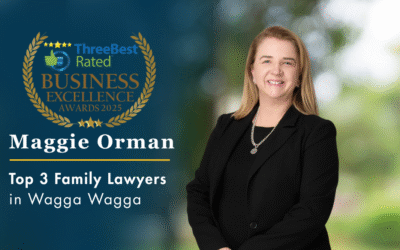
Orman Solicitors is pleased to announce that Principal Solicitor, Maggie Orman has been recognised as one of the Top 3 Family Lawyers in Wagga Wagga by Three Best Rated...

Children’s Contact Centres play a crucial role in helping families manage contact arrangements during separation or conflict. They provide a safe, neutral environment...

Understanding Superannuation and Divorce When a marriage or de facto relationship ends, one of the common questions we get asked is how superannuation will be divided....

More couples are choosing to remain in the same home after separation due to financial pressures, co-parenting, or housing shortages. In NSW, this is known as...

When families break down, grandparents are often left wondering where they stand legally. Under Australian family law, grandparents do not have automatic rights to see...

Separation and divorce are stressful enough without worrying that your former partner isn’t being upfront about money. Unfortunately, hiding assets in divorce happens...

Navigating co-parenting can be challenging, and when your ex breaches parenting orders, it can quickly become stressful and frustrating. The first step is understanding...

Going through separation can be overwhelming, especially when financial uncertainty is involved. One of the most common questions we hear is whether a person is...

The Viral Coffee Cup Divorce Story This may seem like a bizarre internet rumour, but according to Greek news reports, a woman grew suspicious of her husband’s behaviour...

Parenting after separation is never easy. Emotions run high, routines shift, and the challenges of daily life suddenly require twice the coordination. But amidst all of...

Mediation is a highly effective way to resolve disputes, particularly in family law matters. It provides a structured yet flexible environment where both parties can...

Separation vs Divorce If you’re going through a relationship breakdown, the legal jargon can feel overwhelming. One question we hear a lot from clients is: “What’s the...

Consent Orders vs a Binding Financial Agreement? If you are considering separation or have recently separated, there are important financial matters to address. Once...

The Federal Government has introduced a new Family Law Amendment Bill into the Commonwealth Parliament. The Bill makes changes to the property provisions in the Family...

Separation is a challenging and emotional time, and it's easy to make mistakes that can complicate the process. Here are some of the most common missteps people make...

Your rights during a separation depend on your circumstances, but there are several key legal principles in Australian family law that protect you. These rights are...